“It Changed My Life”: Centering Relationships in Communal Living

The Anne Devenney House at Fordham University provided young adults like Gina Ciliberto with transformative experiences through intentional living and community engagement. This inclusive environment fostered relationships, deepened purpose, and supported vocational exploration. Despite its closure due to financial reasons, the impact on residents’ lives and their ongoing connections highlights the value of such communities.

A series on the impact of intentional living communities on young adults as they explore and discern their vocations.

Gina Ciliberto lives in Yonkers, just blocks from the New York City borough she loves: the Bronx. In 2012, Gina graduated from Fordham University. During her sophomore and junior years, she lived at the Anne Devenney House, a university-sponsored, off-campus community that bridged the gap between students and their neighbors in the Bronx. Asked how the community impacted her, Gina simply said, “It changed my life.” 

Members of the Anne Devenney House community sharing a meal.

The Anne Devenney House began as a project of Fordham’s campus ministry. Although it didn’t require religious affiliation, all seven residents in the first year of this intentional community identified as Roman Catholic. Living together in a standalone house a few blocks from campus in a predominantly Latinx neighborhood, they committed to the three areas of the program: community service, campus outreach, and intentional community within the house. There were mandatory dinners together once a week, but they often shared meals informally.

Continue reading ““It Changed My Life”: Centering Relationships in Communal Living”
Vocation and Intentional Communities

This post discusses how intentional communities, particularly in college settings, foster a sense of purpose and belonging for young adults, influencing their vocational paths. Alumni profiles highlight transformative experiences, as seen with Katerina Sasieta from Knox College, who credits her communal living at Green Oaks for her career as an arborist.

A series on the impact of intentional living communities on young adults as they explore and discern their vocations.

In the spring of her sophomore year, Katerina Sasieta lived in the woods of the upper Midwest. Halfway across the country, Gina Ciliberto spent her sophomore and junior years off campus in the Bronx. Neither were alone; they’d joined intentional communities sponsored by their colleges. Years later, Katerina and Gina are both clear: if they hadn’t found purpose and belonging in those communities, they might have transferred or dropped out of college altogether.

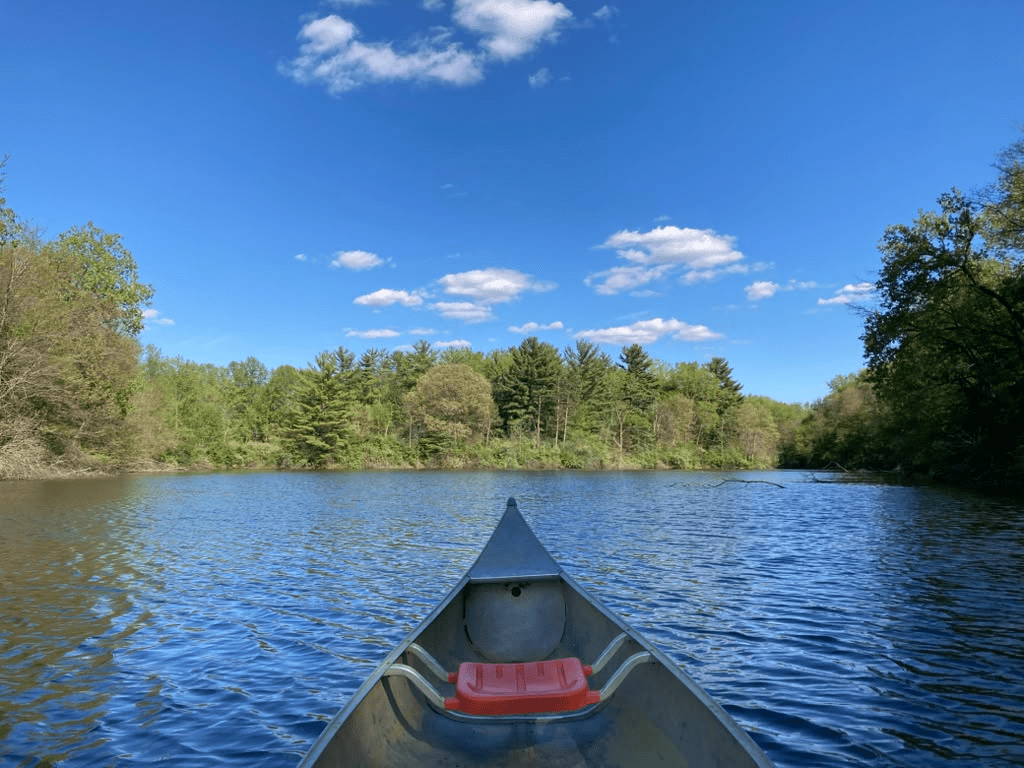
On the lake at the Green Oaks campus.

An intentional community is a group of people who live together and share values, goals, and a lifestyle. From pilgrim colonies and convents to hippie communes, intentional communities are a unique part of American history. The distinctly American blend of religious freedom, freedom of expression, colonialism, and entrepreneurship has produced many utopian experiments.

In this context, American colleges and universities have also experimented with intentional community as an alternative model for student housing. Intentional communities may increase student retention, belonging, and affinity. As a former ministry coordinator at DePaul University and a long-time resident of intentional communities, I’ve seen how communal living can transform young adults.

Continue reading “Vocation and Intentional Communities”