

A series on the impact of intentional living communities on young adults as they explore and discern their vocations.
In the spring of her sophomore year, Katerina Sasieta lived in the woods of the upper Midwest. Halfway across the country, Gina Ciliberto spent her sophomore and junior years off campus in the Bronx. Neither were alone; they’d joined intentional communities sponsored by their colleges. Years later, Katerina and Gina are both clear: if they hadn’t found purpose and belonging in those communities, they might have transferred or dropped out of college altogether.
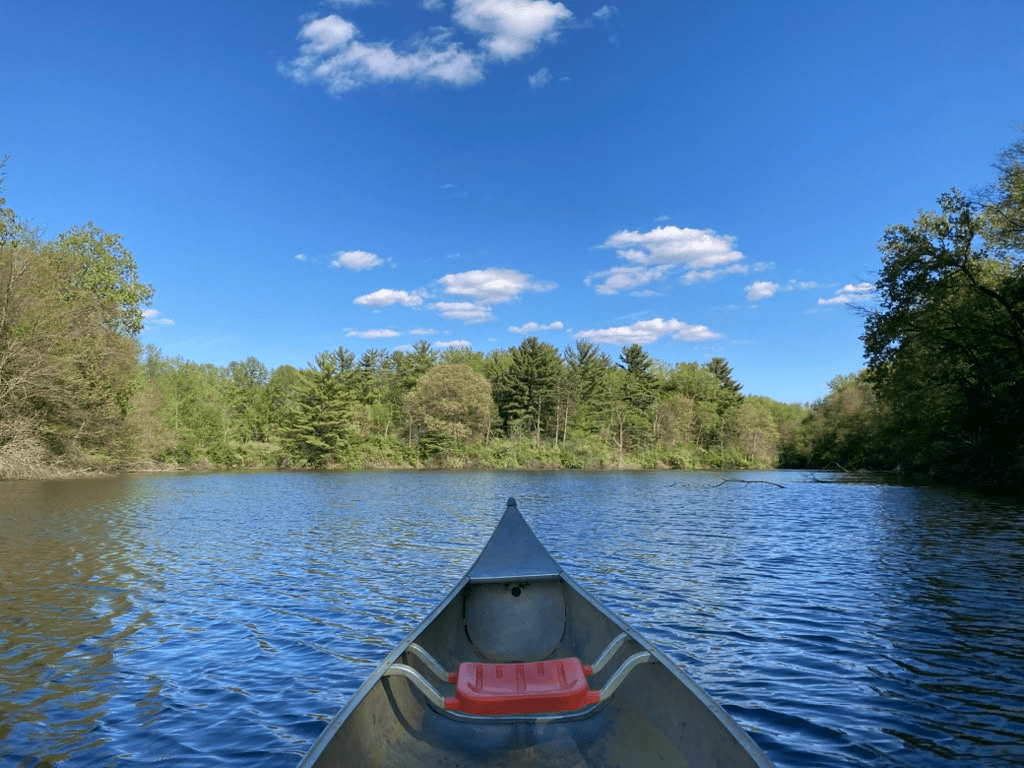
An intentional community is a group of people who live together and share values, goals, and a lifestyle. From pilgrim colonies and convents to hippie communes, intentional communities are a unique part of American history. The distinctly American blend of religious freedom, freedom of expression, colonialism, and entrepreneurship has produced many utopian experiments.
In this context, American colleges and universities have also experimented with intentional community as an alternative model for student housing. Intentional communities may increase student retention, belonging, and affinity. As a former ministry coordinator at DePaul University and a long-time resident of intentional communities, I’ve seen how communal living can transform young adults.
Continue reading “Vocation and Intentional Communities”