Thriving in Academia: The Power of Friendship and Community

Faculty members at small liberal arts colleges often experience isolation despite a focus on community. This post emphasizes the importance of developing friendships and academic partnerships for personal and professional growth. Connections with peers, mentors, and colleagues from other institutions foster resilience and collaboration, ultimately enhancing scholarly productivity and overall well-being.

A co-authored series on what faculty members need to thrive vocationally.

One of the seeming paradoxes of faculty life at a small liberal arts college is that although these institutions often champion community, faculty members frequently work in isolation. And despite the fact that research and publication have become increasingly collaborative, higher education has a tendency to view the “life of the mind” largely as an individual pursuit. University tenure and promotion criteria often reinforce this view, rewarding individual work over more collaborative projects—particularly in the humanities. Within this context, collaboration may be further inhibited by the fact that faculty are frequently hired as one of a few experts—and sometimes as the only one—in their discipline or sub-specialty. A recent article from Inside Higher Ed suggests that the key to scholarly productivity for faculty members working at teaching-intensive schools is to just be more efficient, side-stepping these other very real constraints.
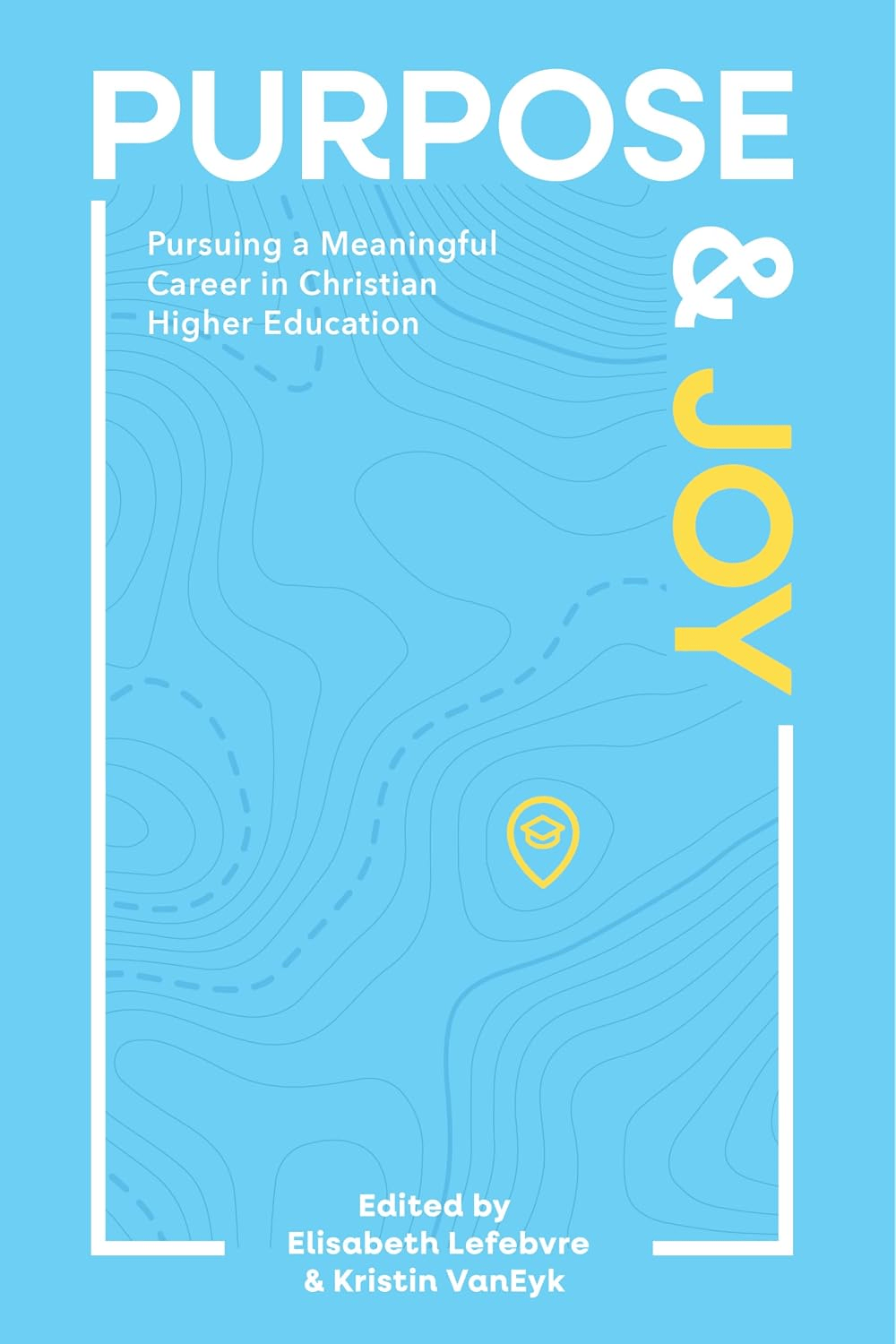
In this post, we encourage faculty members to cultivate a kind of scholarly resilience that doesn’t expect you to do more with the same number of resources; instead, we should build resilience by generating “wealth in people” that we gain through belonging to a community, as Christine Jeske describes in her essay in the volume we edited, Purpose and Joy: Pursuing a Meaningful Career in Christian Higher Education. Friendship within academic communities can take many forms, but we focus here on generative friendships—what we term “academic partnerships”—that encourage personal and professional growth, and thriving. As Paul Wadell writes, “One of the great unpayable debts of friendship is to realize that our friends helped us become better than we ever could be by ourselves.”

Continue reading “Thriving in Academia: The Power of Friendship and Community”

Sustaining Our Vocations with Purpose and Joy

This post introduces a co-authored series addressing the vocational challenges faculty members face in higher education. The authors share their personal experiences as they reflect on their own vocational shifts at work. They emphasize the need for a sustainable approach to vocation, highlighting key themes like recognizing limits, the importance of community, and cultivating joy in their work to support faculty thriving.

The first post in a co-authored series on what faculty members need to thrive vocationally.

female teacher looking stressed
Photo by AI25.Studio Studio on Pexels.com

After receiving the news that I, Elisabeth, had been awarded tenure and promoted in the spring of 2023 at age 39, I felt elated—and then, immediately burned out. Certainly, the summer before, when I submitted my application, had been arduous. My family sold and bought a house, we moved, my husband started a new job, my kids started at new schools, and we all got COVID. Then the school year seemed to fill every possible nook and cranny of time. As news of this milestone spread, colleagues asked, “How do you feel?” I answered, “I need to figure out how to do this job sustainably and with joy. Or I need to do something else.”

I, Kristin, accepted my first job as an assistant professor in 2021 when I was 37 years old, following five years of graduate school and ten years as a high school teacher. I enjoyed teaching but was ready to pursue research and writing more intentionally. By the time I turned 40, I had developed seven different courses across four programs and was serving on several committees, mostly unrelated to my research. I realized I needed to pivot and try again, or I would never reach my research goals before going up for tenure.

Continue reading “Sustaining Our Vocations with Purpose and Joy”