

A co-authored series on what faculty members need to thrive vocationally.
One of the seeming paradoxes of faculty life at a small liberal arts college is that although these institutions often champion community, faculty members frequently work in isolation. And despite the fact that research and publication have become increasingly collaborative, higher education has a tendency to view the “life of the mind” largely as an individual pursuit. University tenure and promotion criteria often reinforce this view, rewarding individual work over more collaborative projects—particularly in the humanities. Within this context, collaboration may be further inhibited by the fact that faculty are frequently hired as one of a few experts—and sometimes as the only one—in their discipline or sub-specialty. A recent article from Inside Higher Ed suggests that the key to scholarly productivity for faculty members working at teaching-intensive schools is to just be more efficient, side-stepping these other very real constraints.
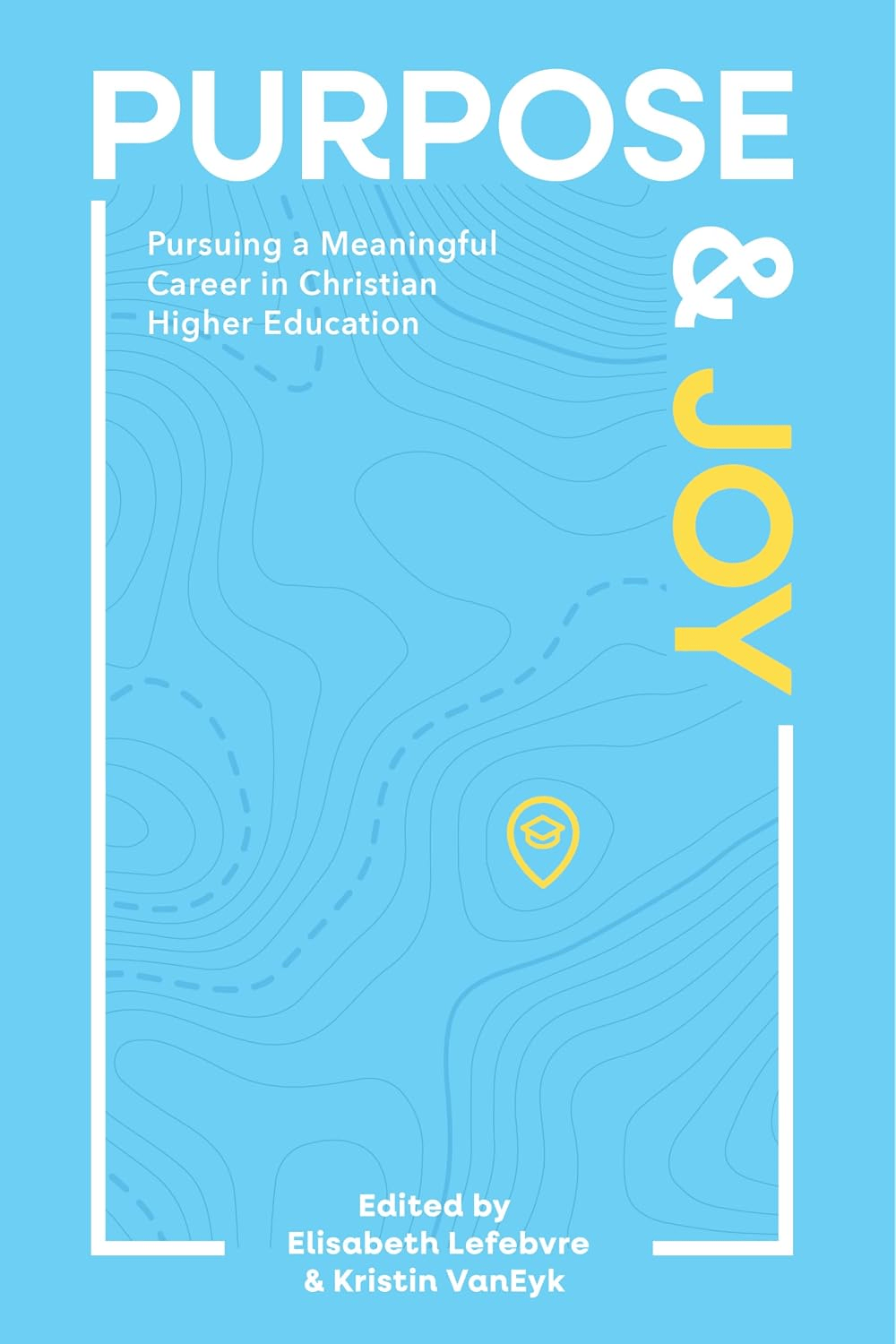
In this post, we encourage faculty members to cultivate a kind of scholarly resilience that doesn’t expect you to do more with the same number of resources; instead, we should build resilience by generating “wealth in people” that we gain through belonging to a community, as Christine Jeske describes in her essay in the volume we edited, Purpose and Joy: Pursuing a Meaningful Career in Christian Higher Education. Friendship within academic communities can take many forms, but we focus here on generative friendships—what we term “academic partnerships”—that encourage personal and professional growth, and thriving. As Paul Wadell writes, “One of the great unpayable debts of friendship is to realize that our friends helped us become better than we ever could be by ourselves.”
Continue reading “Thriving in Academia: The Power of Friendship and Community”

