

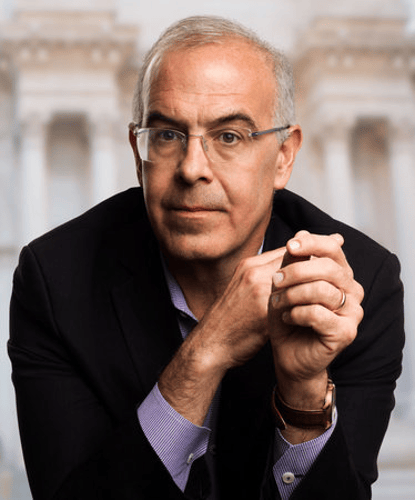
“Finding your calling,” David Brooks suggests, “is more like falling in love than it is like making a decision. It just happens to you.” One of the most recognized public intellectuals of our time, David is the featured guest in the first episode of season seven of NetVUE’s podcast Callings. In it, he reflects on the many ways he’s come to understand vocation and calling over the course of his life and career. Educators who work with undergraduate students will find much value in David’s experiences and storytelling.
For David, vocational exploration and discernment are rooted in our emotions and desires. His “main advice” to listeners, especially students, on how to live vocationally is “to fall in love with things” and to learn how to answer the question, “What do you really want?” This question might seem like a simple one to answer, yet it remains one of the most significant ones we need to ask ourselves; it can also be one of the hardest ones to answer authentically, given the self-awareness it requires. The question is important because, as David notes (drawing on the wisdom of one of his former professors), “what distinguishes people is the ruling passion of their souls.” To know a person—or a student—is not to reduce them to their GPA or their SAT scores, but to ask them, “What do you love?” In this way, “the most important quality to cultivate” in our lives is that of “being a good lover,” a quality that is central to vocational discernment. Ultimately, as David observes, the “process of discovering what you want is the process of finding your calling.”
But to discern a calling—to be able to embrace passion in this way—requires self-knowledge, vulnerability, and the interest and capacity to act. Throughout the episode, David encourages listeners to seek and try out different experiences to learn more about what they love—to test out interests, capacities, and relationships, all of which make meaning possible. “One of the things about finding your calling,” he argues, “is you can’t think your way into it. It’s not something you do by contemplation. You have to try it out and see how it feels. And so you have to have a bias toward action.” He recommends that we all—but especially young people—“do something. See how your innards react. And if you feel alive, if you seem interested, listen to that and the passion will slowly grow.”
Reflecting on his own life, and even the experiences of his own children, David also encourages listeners to have three adventures per decade. Even when we might have discerned one significant calling, we should be open to new experiences as opportunities present themselves and our journeys unfold. It’s advice he followed in his own life as he decided to transition from his role writing for The New York Times. It’s advice we also might take to heart and opens up a useful question to ask undergraduates: As you imagine the next five to ten years of your life, what kinds of adventures do you want to have? What experiences might you try out to see how it feels to live your life in the way you imagine might be meaningful?
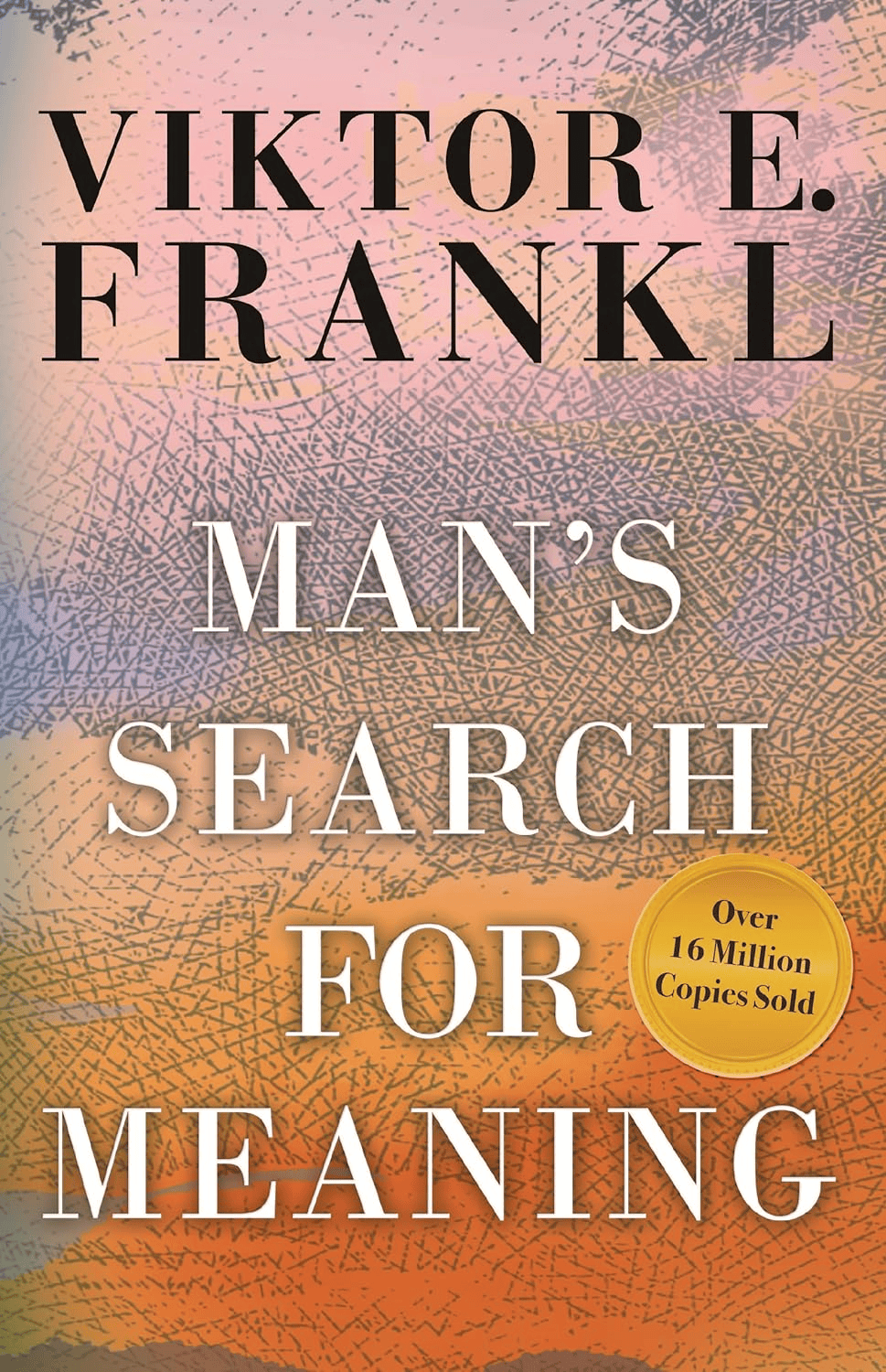
In his own teaching, David anchors his approach to these questions in Viktor Frankl’s Man’s Search for Meaning, a text that has profoundly shaped his own understanding of vocational exploration and discernment. In the episode, he provides a useful introduction to Frankl and his writing, reflecting on how it has shaped his own work with students. He uses it to foreground a set of questions that Frankl wrestles with, distinguishing between, “What do I want from life?” and “What is life asking of me? What are my circumstances asking of me?” He finds that the latter questions shift the focus of discernment from the individual to an external source of calling that is essential for living vocationally—and that serves others as much as the self.
David offers three kinds of emotional dispositions to serve as possible guides to attune ourselves to what calls us: admiration, indignation, and enthusiasm. Paying attention to when, for whom or what, and in which contexts we feel these emotions can serve to guide us through a process that can illuminate our path and open the possibility of falling in love and hearing our callings. Especially helpful are David’s observation on the importance of feeling outrage or indignation at the injustices in the world, further anchoring vocational exploration in our emotional response to the realities of what lies outside ourselves. Equally important is discerning which enthusiasms are worth paying more attention to in our lives, especially for those people who have many and varied interests. Learning to hone our abilities to listen to and focus on the most important callings is essential in this regard.
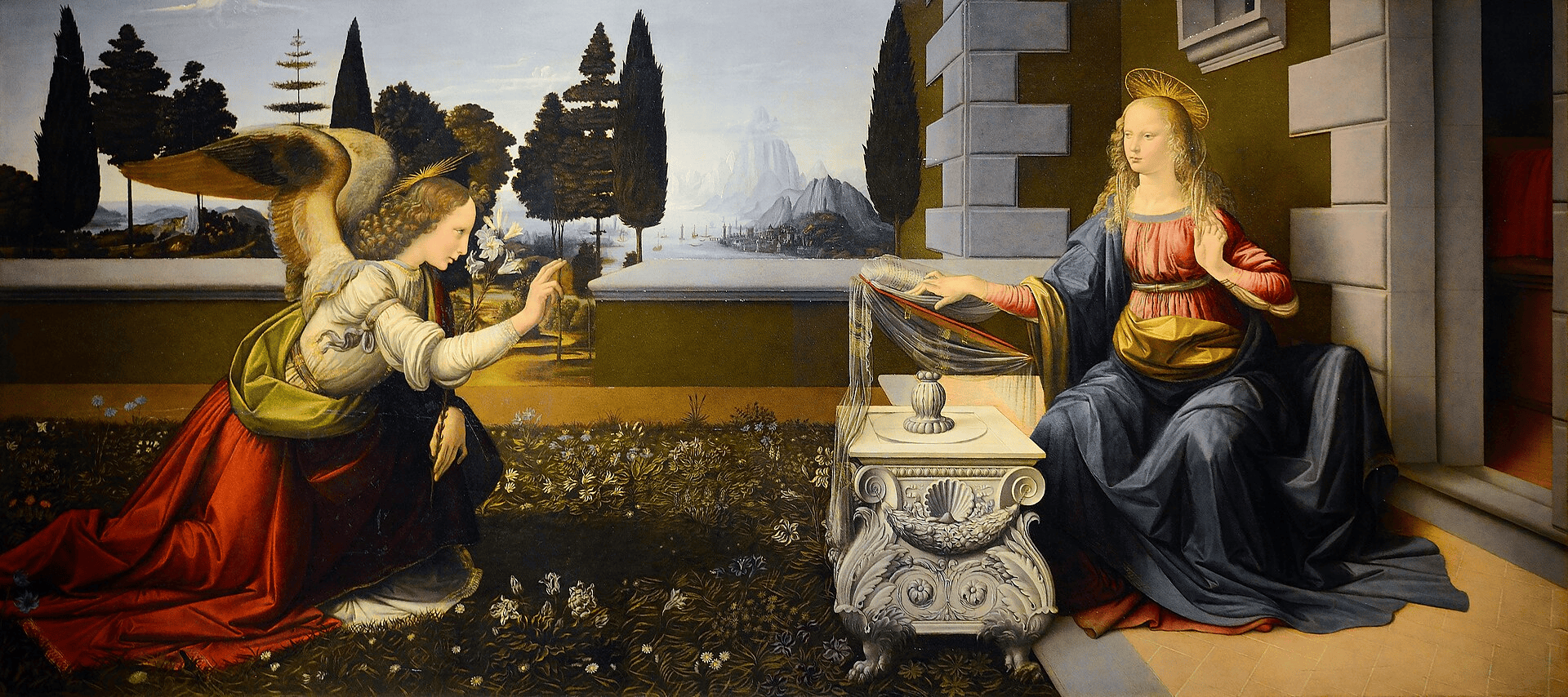
In his own life and work, he identifies what he calls a “first moment of annunciation,” in which “people have something in their life that predicts what they’re going to do with their lot of their life.” Comparing it to painting of Mary when she “finds out what her life is going to be,” David describes his fascination with such experiences, emphasizing the aesthetic quality to them, how they “just feel right” to the person experiencing them. “It’s that notion,” he says, that “something strikes you. It hits you somewhere inside you, and you think, ‘I feel kind of alive.’ A little vibration and that’s all it takes, a little vibration.” As he explains these moments, he shares his own memory of such an experience at age seven, when he read A Bear Called Paddington: “I decided at that moment I wanted to become a writer. I just seemed like a cool thing to do. I didn’t know what kind of writer I would be, but I knew that’s what I was going to be doing.”
Although these experiences might sound mysterious, or perhaps even rare, to some listeners, they reveal something important about vocation and calling: We are often called to certain activities, interests, or even obligations in visceral ways. This embodied pull is something very worth responding to, even when it defies rational thought or more calculated plans for our future. And as David acknowledges, you “often don’t know what your moment is until you’re like 45.” But the wisdom here is the understanding that these inexplicable moments are very much like falling in love, and responding to these moments is to begin an adventure that is hard to predict or plan or map out. Like love, our vocations play out and become more coherent over time, but they often start with an inexplicable moment like the ones David describes in this episode.
These moments of annunciation are embodiments of our desires and point to how we might be inexplicably pulled into something meaningful that we can’t quite explain. But our response to this kind of vibration can prompt us to take active steps in trying to figure out what our desires might mean for the callings we pursue in our lives.
David Brooks is a staff writer at The Atlantic, a senior fellow at Yale University’s School of Global Affairs, and a longtime cultural and political commentator for PBS NewsHour. For many years, he was an opinion columnist at The New York Times and is the author of many best-selling books including The Road to Character, The Second Mountain, and How To Know a Person.
Geoffrey W. Bateman is the editor of Vocation Matters and NetVUE’s director of strategic communications. In 2017, he participated in the inaugural NetVUE faculty seminar on Teaching Vocational Exploration, and his essay, “Queer Vocation and the Common Good,” appears in the fourth volume of the NetVUE Scholarly Resources Project, Called Beyond Our Selves: Vocation and the Common Good (Oxford, 2024). He contributed “Queer Callings: LGBTQ Literature and Vocation” to Cultivating Vocation in Literary Studies (Edinburgh, 2022), and is a professor of criminology, sociology and justice studies at Regis University. Visit his author page on this blog for other posts by him.