
The NetVUE Big Read: Exploring Our Callings to Higher Education

NetVUE’s first webinar of the academic year, held on September 16, featured Bonnie J. Miller-McLemore discussing her book, “Follow Your Bliss and Other Lies About Calling.” Participants explored the challenges of vocational discernment in higher education. Additional resources were shared for implementing vocational support on campuses through NetVUE’s Big Read program.

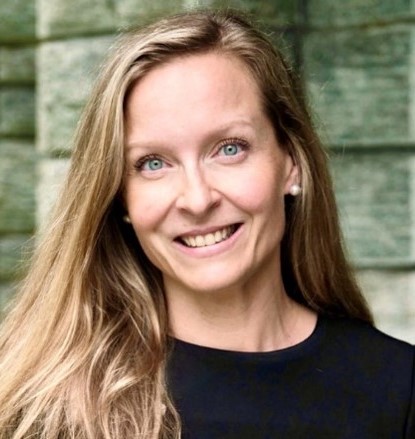
Bonnie J. Miller-McLemore

When we explore and discern our vocations, we often wrestle with both the joys and hardships that we face in the many roles we play in life. NetVUE’s first webinar of this academic year explored this topic on September 16, and featured Bonnie J. Miller-McLemore, the author of this year’s Big Read, Follow Your Bliss and Other Lies About Calling. As she discussed her book, she used insights from it to help participants contextualize and understand the challenges that we all face as we live out our callings to work in higher education. The discussion also provided context for colleagues as they being to engage their campuses in the Big Read.

Continue reading “The NetVUE Big Read: Exploring Our Callings to Higher Education”

Privilege, Justice, and Religious Freedom

David S. Cunningham examines the tension between public and private higher education institutions in the context of state and federal legislative control. He argues that while private institutions may face less direct oversight, federal grants present significant risks. Religiously affiliated schools may navigate these challenges differently, emphasizing their commitment to social justice and religious freedom.

David S. Cunningham

As certain core commitments of higher education have come under attack in recent years, I have been paying attention to the potential differences between the public and private spheres. Public institutions in states like Florida and Texas may have little choice but to surrender to the will of the state legislature, which sets budgets and has the power to dictate many of the details as to how its state institutions are run. Legislative control of private institutions is less obvious, but it can still happen—whether directly (as in states like Iowa, which control scholarship programs that can be used at the state’s private institutions) or indirectly (wherein private institutions can be shut out of certain corridors of power if they are seen as unfriendly to a state’s government).

Continue reading “Privilege, Justice, and Religious Freedom”

Vocation for Atheists

What about students who don’t believe in God at all? Could the concept of “vocation” still be useful then? An excerpt from a talk delivered at a recent NetVUE regional gathering hosted by Huntingdon College.

I have struggled with many things while teaching vocation—students falling asleep, not doing the reading, complaining about being required to take a course on the meaning and purpose of their lives (why do I have to pay for a class that won’t help me get into pharmacy school?). But one particular question about which I have wondered is whether talk of vocation can only be meaningful for students of faith.

What if one didn’t believe in God at all? Could the concept of “vocation” still be useful then?

And I believe the answer is that thinking about vocation can be a productive way for colleges to help students consider the question of what they are going to do with their lives, and how they are going to do it.

Continue reading “Vocation for Atheists”